Budgie Training Basics: How to Stop Biting and Build Trust
12/8/20255 min read
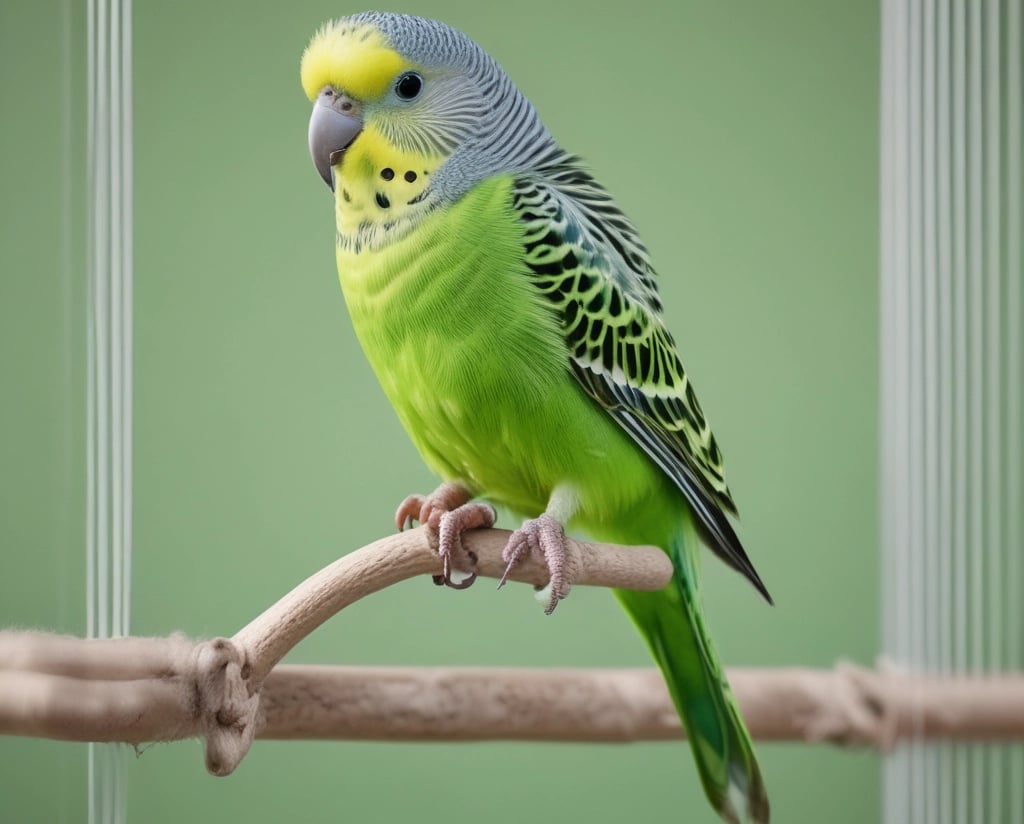

Understanding Budgie Behaviour
Budgerigars, commonly known as budgies, are social creatures that display a range of natural behaviours essential for their survival and well-being. Understanding these behaviours is crucial for budgie owners, especially when addressing issues such as biting. A primary reason for biting can be attributed to fear; budgies may perceive threats from their environment or human interaction, prompting them to defend themselves. When a budgie feels cornered or startled, it may resort to biting as a means of protection.
Another factor influencing biting behaviour is territoriality. Budgies are known to be protective of their personal space, and when they feel that their territory is being encroached upon, they may lash out. This behaviour is more common during the initial stages of training or when new changes are introduced into their environment. Recognising a budgie's comfort zone is essential in fostering a successful relationship and reducing the chances of biting incidents occurring.
Playfulness also plays a role in a budgie’s tendency to bite. It is not uncommon for budgies to exhibit nipping behaviour during play, which can be misinterpreted as aggression. Hence, distinguishing between playful nipping and defensive biting is vital. Observing the budgie's body language can provide clues; for instance, a relaxed posture usually indicates playfulness, while puffed feathers and rapid movements may signify stress or fear.
Additionally, vocalisations serve as a key component of communication for budgies. Different sounds can convey a range of emotions, from chirps that indicate happiness to sharp squawks that may signal discomfort or irritation. By tuning into these vocal nuances and the accompanying body language, budgie owners can better understand their feathered companions. This understanding lays the groundwork for creating a trusting relationship and effectively mitigating unwanted behaviours such as biting.
Creating a Positive Environment
Establishing a positive and secure environment is critical for the successful training of budgies. A well-designed habitat plays a fundamental role in minimising stress, which can lead to biting behaviours, thereby fostering a sense of comfort and well-being. The size of the cage is particularly important; it should provide ample space for your budgie to move, stretch its wings, and engage in natural behaviours. A cage that is too small can lead to frustration and anxiety in your pet, making it essential to opt for a cage that exceeds the minimum specifications recommended by avian experts.
When setting up the cage, consider incorporating a variety of toys that stimulate your budgie mentally and physically. The right toys can encourage playfulness and exploration, which are essential for bonding and trust building. Select toys made from non-toxic materials, as safety is paramount. Perches should also be varied in diameter and texture to promote foot health and provide opportunities for climbing and exercise. Placing perches at different heights allows your budgie to choose where it feels most comfortable.
In addition to the physical environment, social interaction is crucial for your budgie’s emotional well-being. Spend time near the cage to allow your budgie to acclimate to your presence gradually. This process of acclimation helps the budgie feel secure around you, ultimately reducing fear-based biting tendencies. Gradually introducing your budgie to your hands can further develop trust; be patient, allowing the bird to come to you at its own pace. Offering your budgie treats while doing so can create positive associations with your presence, reinforcing the bond between you and your pet.
By focusing on these elements, you lay the groundwork for effective training. A positive environment encourages learning and enhances your budgie's overall happiness, making the training process more rewarding for both pet and owner.
Training Techniques to Stop Biting
Effective training techniques are essential in addressing biting behaviour in budgies. One of the most successful methods involves the use of positive reinforcement. This technique encourages desirable behaviour by rewarding your budgie with treats or praise when it refrains from biting. Start by observing your budgie's behaviour and identify situations in which biting occurs. Gradually expose your budgie to these triggers while remaining calm. If your budgie does not bite, immediately offer a treat, reinforcing the idea that not biting leads to positive outcomes.
Another effective approach is clicker training, which utilises a small device that makes a clicking sound when pressed. First, introduce the clicker by clicking it and offering a treat simultaneously. This will create an association between the sound and a reward. Once your budgie is familiar with the clicker, apply it during training sessions. For instance, click when your budgie remains calm and does not bite, followed by a reward. Over time, your budgie will learn that gentle behaviour is preferred, and this can significantly reduce aggressive tendencies.
Desensitisation is also a valuable technique that involves gradually acclimatising your budgie to the stimuli that may provoke biting. Start by offering your hand near your budgie without any intention to touch it. Allow your budgie to approach at its own pace. Over time, you can progressively move closer while calmly talking to your budgie. This approach fosters trust and reduces fear, ultimately decreasing the likelihood of biting.
Patience and consistency are imperative in these training techniques. Training your budgie is a gradual process that requires time. To enhance effectiveness, avoid common mistakes such as punishing your budgie or using inconsistent commands. Inadvertently scaring your budgie can cause regression in training. By employing these techniques, you can create a trusting and positive environment for your budgie, significantly reducing biting behaviour.
Building Trust with Your Budgie
Establishing a trustworthy relationship with your budgie is fundamental to creating a harmonious and enjoyable companionship. To begin this process, regular handling is essential. Gradually introducing your budgie to your presence will help them feel more secure around you. Each interaction should be calm and positive, allowing your feathered friend to associate you with safety and affection.
Communicating softly with your budgie is another critical component of trust-building. Soft, soothing tones can calm your pet and encourage them to feel comfortable in your presence. Speaking to your budgie during handling and playtime promotes a sense of normalcy and helps to alleviate any anxiety. Additionally, incorporating lively conversations can stimulate your budgie’s curiosity and foster a deeper bond as they begin to recognize your voice as a comforting presence.
Offering treats is an effective method to build rapport and reinforce positive behaviour. By providing your budgie with their favourite snacks during training sessions or whenever they exhibit calm behaviour, you introduce a rewarding association. This approach not only motivates them to approach you but also feeds into their natural instinct to build relationships through shared experiences. Remember, patience is key; trust takes time to develop, and one should never rush the process.
As you work on building trust, it is vital to recognise the signs of progress. Observe your budgie’s body language and behaviour, noting increased calmness, curiosity, or willingness to engage during interactions. Remaining calm and gentle throughout your endeavours will be crucial in reinforcing the trust bond. Alongside maintaining a consistent routine of handling, treats, and gentle communication, you should celebrate small milestones. With dedication and positive interactions, the relationship between you and your budgie can flourish into a lasting and meaningful companionship.
For detailed Budgie training tips go to